
Workforce risk rarely appears as one isolated metric. The value comes from seeing how pressure, safety, progression and retention connect.
COBE Intelligence helps leaders identify where pressure is building, understand what is driving it and decide where action should start. We translate workforce evidence into clearer organisational decisions.
Engagement scores fall. Absence rises. High performers disengage. Promotion pipelines narrow. People leave. By then, the underlying pressure has often been building for months or years.
Wellbeing, retention, inclusion, performance and progression sit in different dashboards. Leaders lose the connection between them.
Exit, grievance and sickness data show what happened. They do not always explain why the risk developed.
Without diagnosis, organisations often invest in broad interventions rather than addressing the conditions driving the pressure.
The Cost of Black Excellence research provides a deep evidence base on performance pressure, identity suppression, workplace harm, health and retention.
COBE Research dataset: 1,153 participants. All participants consented through the research form or separately by email.
The model connects early workforce signals to the pressures employees carry, the organisational risks those pressures create and the action leaders need to prioritise.
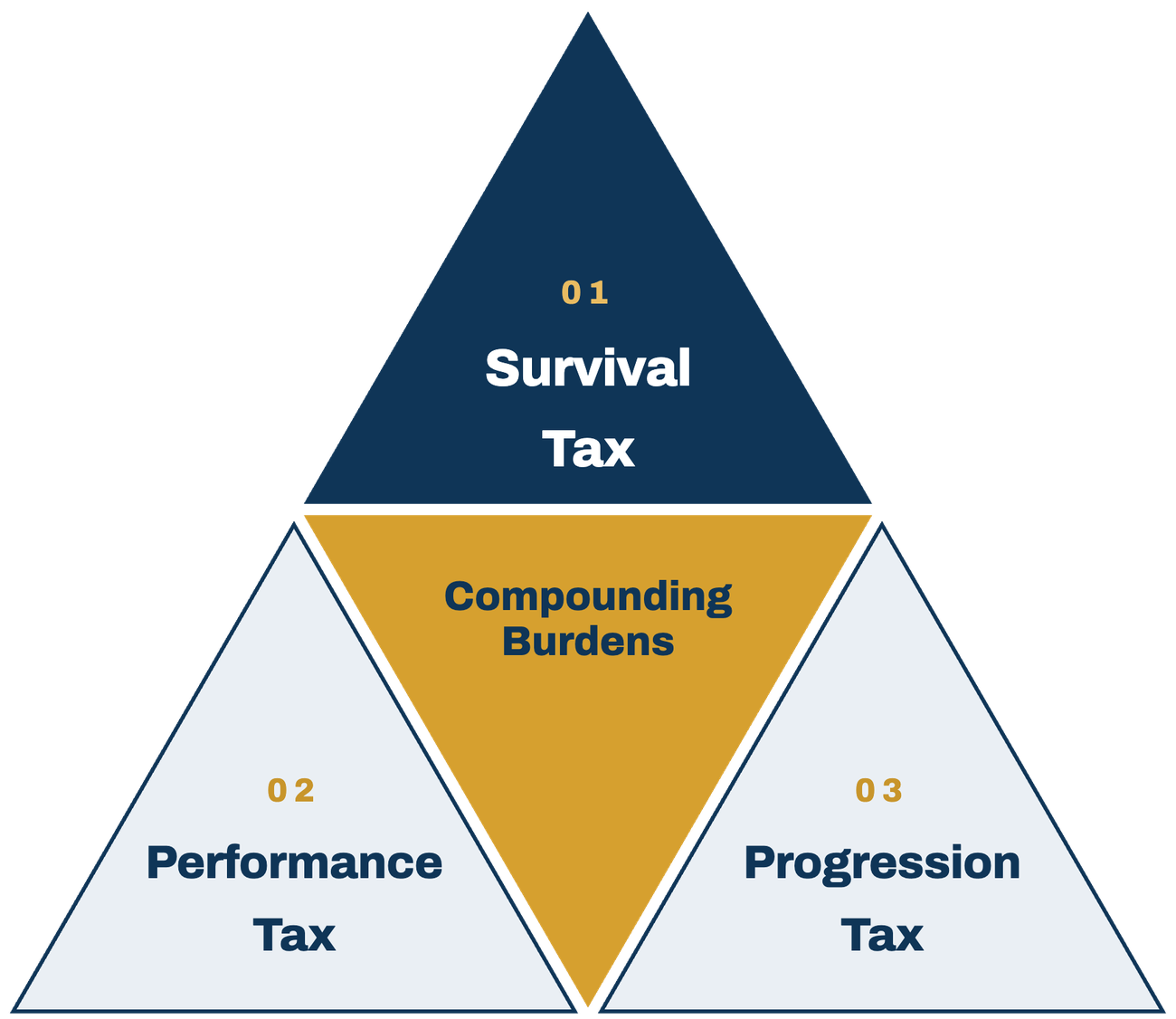
The three taxes describe different forms of additional workplace burden. COBE Intelligence connects those burdens to wider workforce signals, organisational outcomes and leadership decisions.
The cognitive and emotional load of managing identity, safety, belonging and racialised workplace conditions.
The additional burden of repeated proving, over-preparation, scrutiny and pressure to outperform.
The added friction attached to sponsorship, visibility, advancement and access to decision-making power.
COBE Intelligence gives leaders a repeatable route from evidence to organisational action.
Identify workforce signals and where pressure is concentrated.
Connect symptoms to organisational conditions and patterns.
Separate high-impact risks from lower-value activity.
Act, track movement and refine interventions over time.
Measure pressure, safety, progression friction and retention risk across the workforce.
Translate findings into a concise leadership view of risk, causes and priorities.
Support senior teams to move from insight into accountable organisational action.
COBE Intelligence focuses on the conditions underneath workforce outcomes. The aim is to help leaders understand what standard people metrics often fail to explain.
“COBE Research builds the evidence. COBE Intelligence turns that evidence into organisational decisions.”
The COBE evidence-to-action model
Request an Executive Briefing to explore the evidence, the COBE Intelligence Model and the questions your leadership team should be asking.